Adam Kibiloski
Adam Kibiloski is an MGI doctoral student in the Abramovitch Lab. These are his answers to the Micro Biography questions:
How and when did you become interested in the field(s) of microbiology, genetics, and/or immunology?
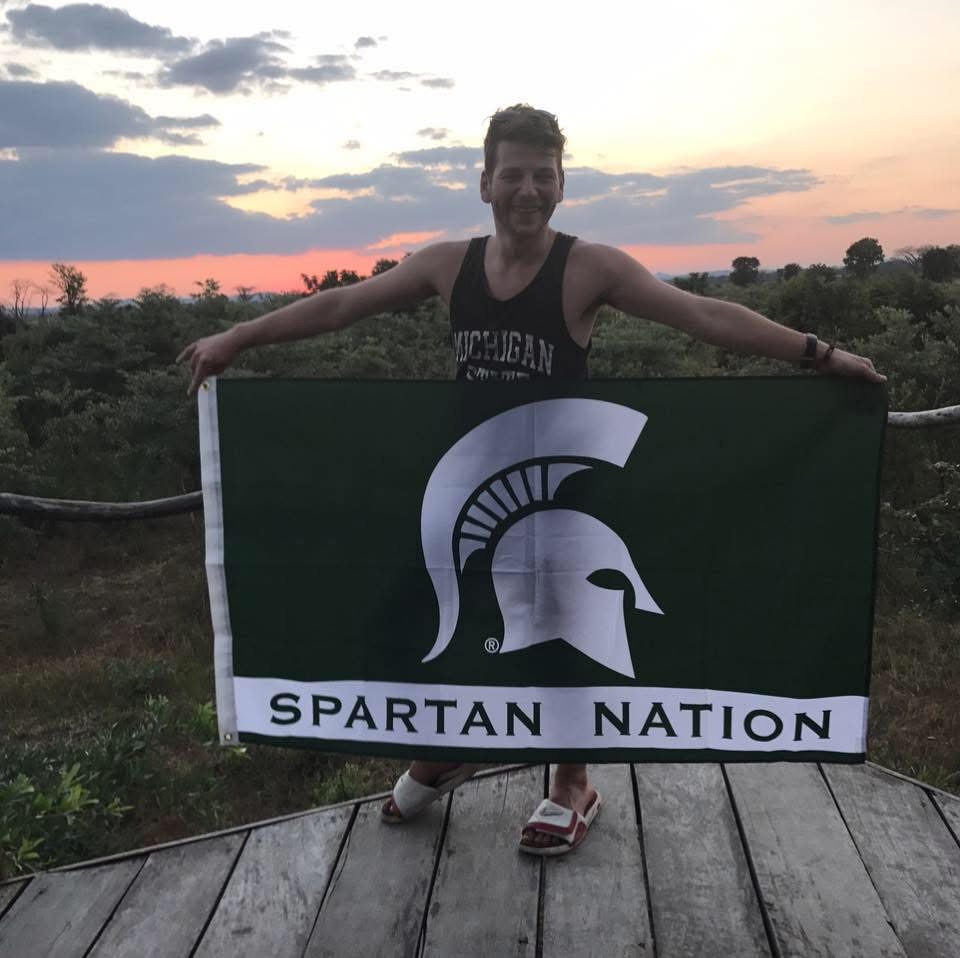
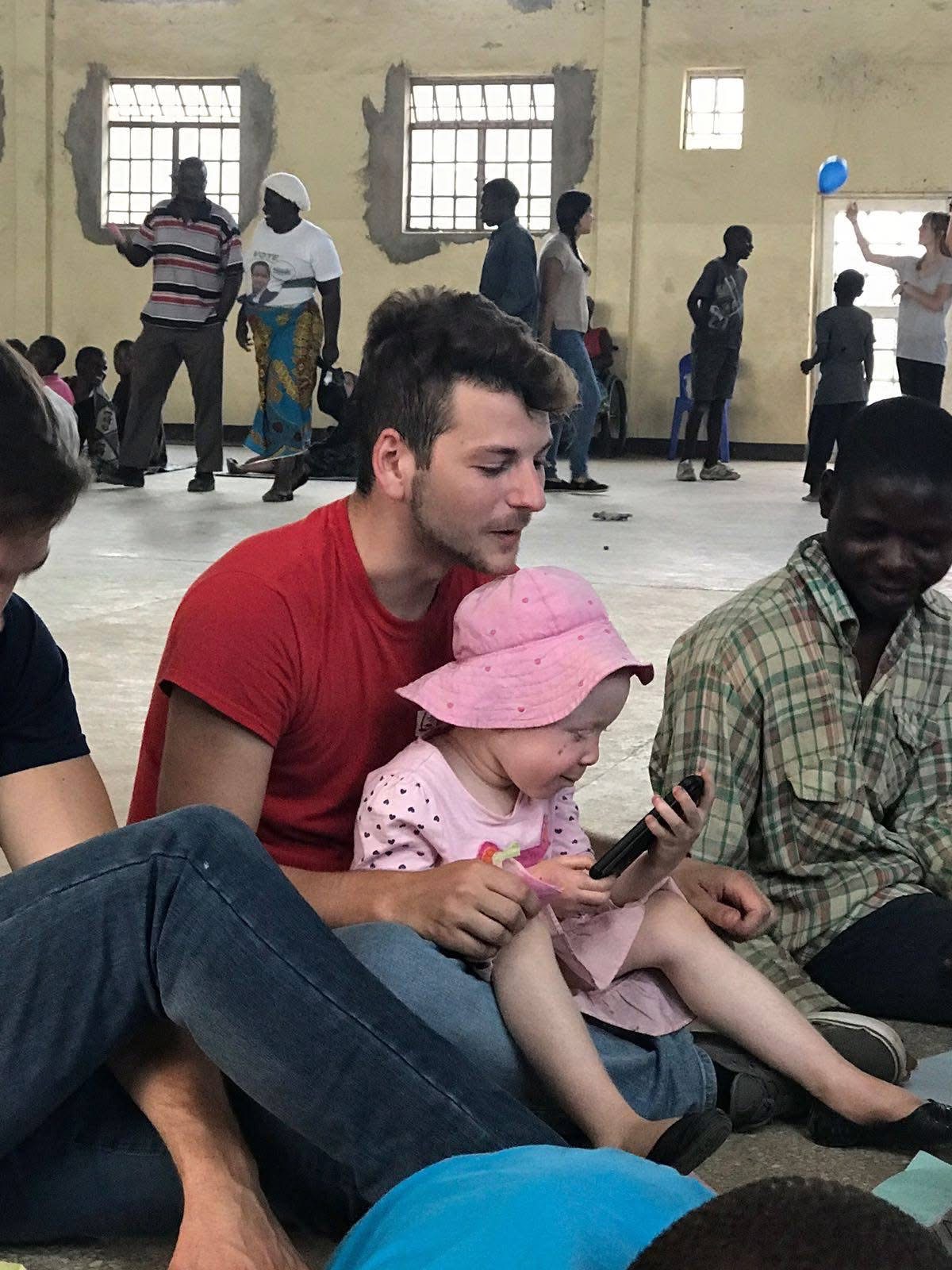
When I came to MSU in 2015, I thought that I would be a biochemistry major. However, I joined a microbiology lab studying the acquisition of lanthanides by plant-associated microbes and realized that I had a passion for microbiology. So, I changed my major to microbiology. After taking a course in pathogenesis taught by Drs. Abramovitch and Manning, I discovered that I found pathogenic microbes particularly interesting. After that, I took a comprehensive course in medical microbiology taught by Dr. Frances Pouch-Downes and eventually ended up on study/research abroad program with her to Malawi in Africa (see pics below). I realized that I really cared about microbes that cause disease and their impact on communities. Ultimately, I was admitted to the biomolecular science pathway at Michigan state, which allowed me to rotate with Dr. Abramovitch. I enjoyed his mentoring style, and now here I am, researching Mycobacterium tuberculosis and Mycobacterium abscessus.
Were there any particular people or events who were influential in your journey?
Dr. Pouch-Downes, Dr. Abramovitch, and Dr. Manning were particularly influential in my interest in bacterial pathogens. Between the pathogenesis courses I took and seeing the real-world impacts of disease during my study abroad in Africa, I discovered a deep-seated interest in studying bacteria that impact on the quality of human life.
How did you come to be a part of this department?
After my first semester as an undergraduate at MSU doing research on Methylobacterium extorquens AM1, I realized that I found microorganisms interesting. I decided to change majors and join the department of Microbiology, Genetics, & Immunology (then known as Microbiology and Molecular Genetics). I saw how supportive, positive, and collaborative the department was and decided I want to be a part of this community for my PhD.
What is your main role / research area right now and why is it important?
My current research involves understanding why Mycobacterium tuberculosis arrests growth when encountering in vitro conditions similar to that of alveolar macrophage during infections, particularly, the bacterial response to phagosomal acidification. We currently know that growth arrest at acidic pH has underlying mechanisms under different carbon sources. We discovered that growth arrest on glycerol is due to lack of uptake, growth arrest on propionate is due to diversion of carbons to create methyl-branched lipids, and most recently we have found that growth arrest on lactate is due to lactate- and phosphate-dependent cytoplasmic acidification.
How do you see your role / research evolving?
I started my PhD doing metabolomics-related research focused on Mycobacterium tuberculosis growth arrest at acidic pH. As my graduate career has progressed, I have become increasingly involved in drug discovery related to Mycobacterium abscessus infection. I see myself evolving into a position where I can direct a team conducting research in a range of research areas that could include drug discovery, cancer research, or even vaccine development.
What types of activities are you involved in outside of work / research?
I’m an avid reader of fantasy and sci-fi novels. I also crochet and knit. I have a fossil, rock, and meteorite collection. I garden during the summer and make my own flower baskets. I have three cats, Ivy, Eva, and River, and I have recently started fermenting my own mead.
What is next for you?
I’m currently working on finishing up my first author manuscript, and I have some secondary author papers in the works. In the meantime, I’m moving to a project related to novel drug discovery which I will be working on until I graduate—hopefully in the upcoming fall of 2026 or spring of 2027.
What do you see as your current career trajectory?
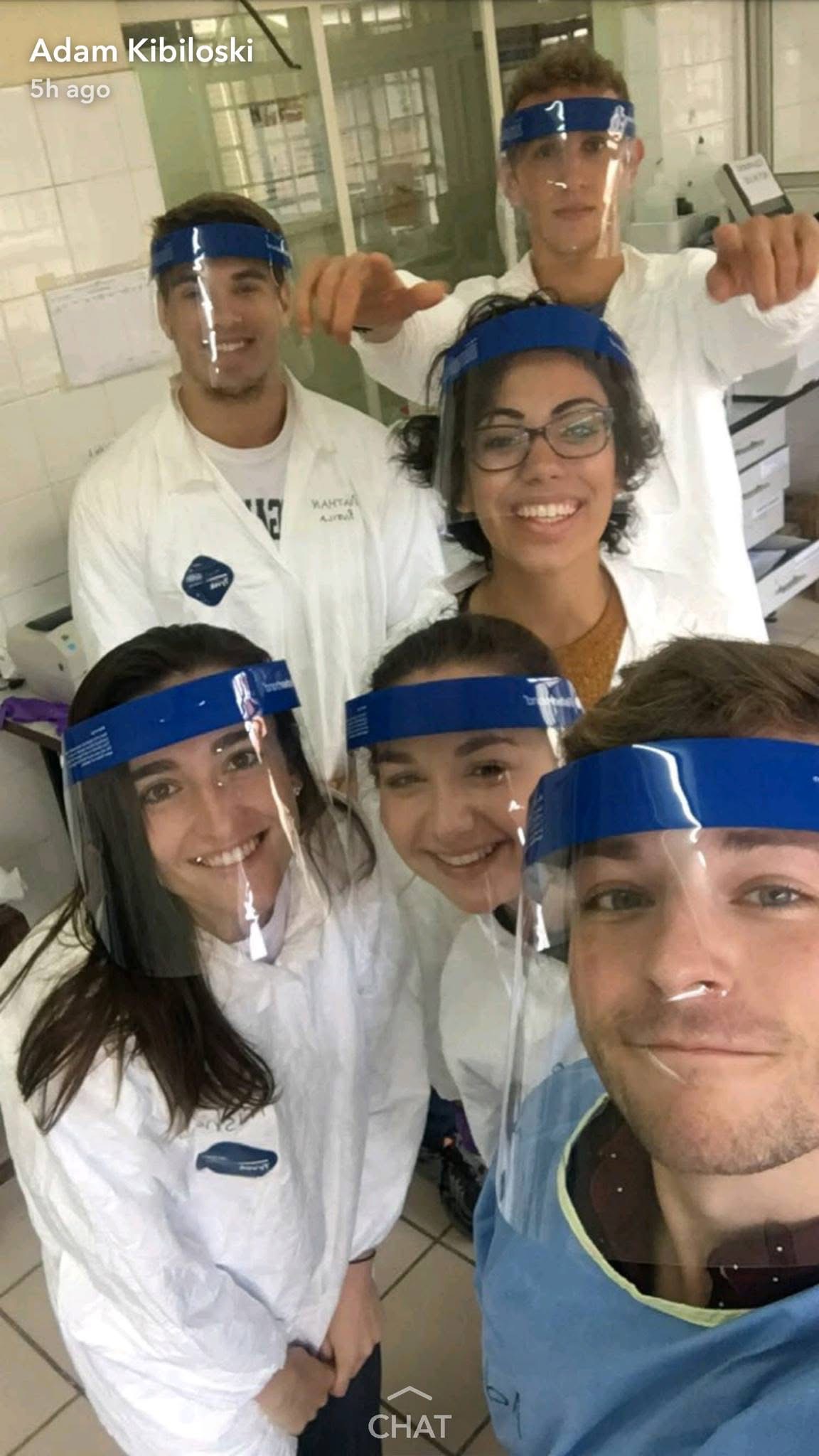
I worked in the biotechnology industry at Michigan State University Bioeconomy Institute for three years, part of which was during COVID. I decided to get a PhD so that I can perform in higher capacities in biotech companies. I see myself as a valuable leader who can contribute to any team in biotech, be it research and development, assay development, drug discovery, or even cancer research.